

Casual players rarely volunteer the true size of a losing streak, but in a regulated market the habit of lying about gambling losses warning sign is the quiet trigger that turns a bad session into a compliance headache. From a trading desk perspective, concealment changes the exposure profile before the books even know they’re carrying it. The pattern matters because it shows up long before a balance goes red.
Why the habit shows up early
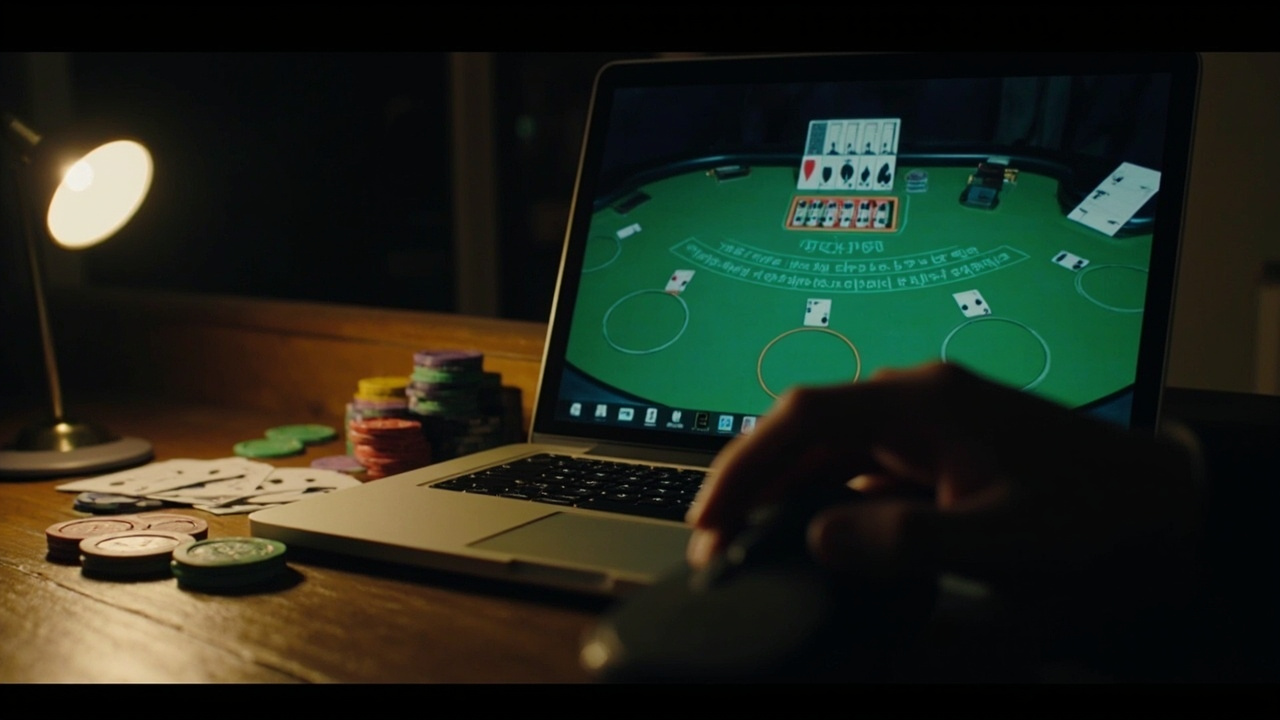
Players hide losses for the same reason traders hide a drifting position: they want another chance to recover without answering questions. In my fifteen years pricing risk across global markets, I’ve seen the same behaviour in retail betting books and corporate hedging desks – the moment someone stops reporting reality, the model assumes less volatility than actually exists. That gap is where overspend grows, and it’s why a lying about gambling losses warning sign is useful long before anyone talks about limits or support.
The practical tell is rarely dramatic. It’s the edited story told to a partner, the softened figure given to a mate, or the quick tap on “cancel” when an account summary appears on a phone screen. In an Australian context, that can mean a Tuesday arvo session near Perth that gets described as “just a bit of fun” while the session history says otherwise. The point isn’t to police every purchase; it’s to notice when the narrative stops matching the numbers.
| Detail | What it looks like in practice |
|---|---|
| Common trigger | Avoiding an awkward conversation about a losing session |
| Typical edit | Rounding down, omitting a late-night loss, blaming “bad luck” only |
| Risk drift | Spending more to “make it back” without rechecking the real position |
| Useful response | Reconciling the story with the account history before the next deposit |
Two situations where the pattern matters most
When the story gets shorter than the session history
The first scenario is the one I see most often in retail play: a player says the session was short and the loss small, but the account trail shows three longer runs and a net dip that doesn’t match the retelling. In trading terms, that’s a position being repriced on a story rather than on fills, and it usually means the player is underweighting how much time and stake has actually been used. The tell is practical rather than emotional – the explanation gets smoother while the numbers stay messy. When that happens, the useful move is to stop treating the anecdote as the record and check the session list before the next bet goes out.
When recovery chasing starts rewriting the past
The second scenario is more active. A player begins to talk about losses as temporary, then starts framing the next deposit as a way to “balance things out” rather than as fresh exposure. I’ve sat across from market desks that did the same thing with a losing book, hoping a single sharp trade would erase the drift; it rarely does, and it usually adds volatility. For a casual player, that mindset often shows up as a longer session after a loss, a higher stake to “make it interesting”, or a claim that the run is “due” to turn. The lying about gambling losses warning sign sits right there, because the retelling has shifted from describing what happened to justifying what happens next.
What this means for your own play
If you’re trying to keep a hobby from sliding, the useful test is whether your version of events still lines up with the account view. That’s not about shame; it’s about keeping the record honest so you can actually judge the session. In a Perth apartment or a local club, the same rule applies – if the story has started to sound tidier than the history, pause and compare before you put more on the table. The best protection is boring: check the numbers, note the time, and decide whether the next bet is a choice or a reaction. big bass amazon extreme
A good operator makes that check easier, not harder, and that’s where a clear, well-run product earns its place. A compact offering with a straightforward register, visible session history, and support that doesn’t make you jump through hoops is easier to audit against your own memory. I’ve always preferred platforms that let a player see the real position quickly, because transparency is what turns a vague feeling into a usable decision. When the product itself is built around clear records, the lying about gambling losses warning sign becomes easier to spot early, before the session has room to drift.
So here’s the question I’d leave with you: when was the last time your story about a losing session matched the account history, and did you notice the difference before or after you put more money through?


